Higher education anatomy
Bones, muscles, the heart, body systems and cranial nerves.
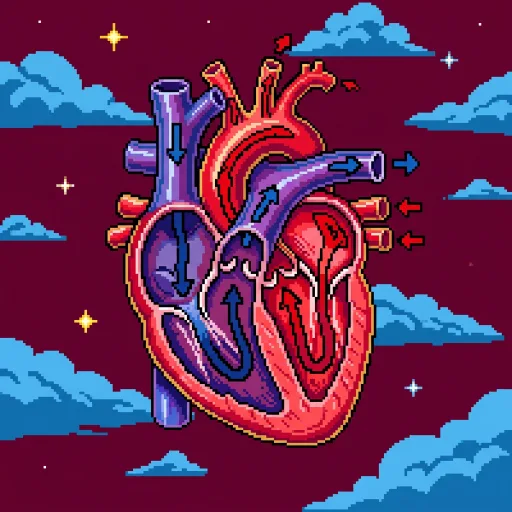 Blood flow through the heart ordering game
 Bones of the skeleton quiz
 Cranial nerves ordering game
 Major muscles matching game
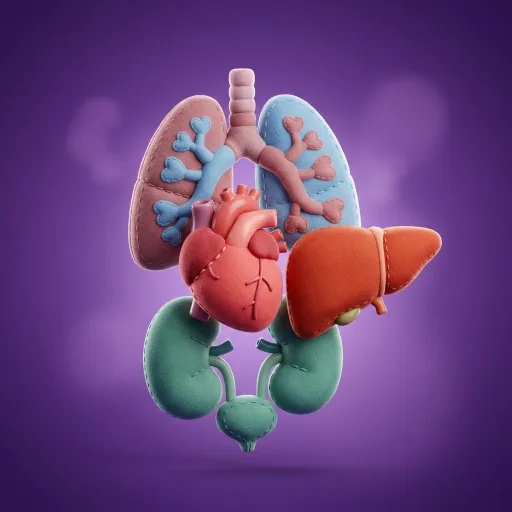 Organs and body systems sorting game
About Higher education anatomy
Anatomy at university asks students to learn a large amount of detail and keep it organised. This page covers the bones of the skeleton, the major muscles and their actions, and the path blood takes as it flows through the heart. It also includes organs and body systems, which shows how structures group by function, and the 12 cranial nerves, a classic memory challenge. Learners need names, positions and sequences to stay fresh, so frequent short practice suits the subject well. Games give a low-pressure way to recall terms, test understanding and prepare for practical and written assessments. Regular recall keeps the vocabulary secure.
A lecturer or demonstrator can open a lab or lecture with a quick bones round, use a game to recap muscle actions after a dissection session, or share one as revision between classes. Live play helps spot which structures the group still confuses. Corporate trainers in healthcare, fitness or first aid settings can use the same material as a refresher, a knowledge check for new staff or a warm-up for a workshop on the body. A short game also gives mixed-experience groups a friendly way to share what they already know. Short rounds leave room for discussion afterwards.
The bones of the skeleton game is a multiple-choice quiz, good for naming and locating structures from similar options. The major muscles game uses matching pairs, linking each muscle with its action. Blood flow through the heart and the cranial nerves both use put in the correct order, which suits sequences that must be learned in the right order. The organs and body systems game uses sort into categories, so players group organs by system. Try any game with Play now and no sign-up, or host it live for a whole group. Rounds are quick enough to fit around practical work.